

Deliberation 9: Your Right to a Government that honors Indigenous Rights & Sovereignty
Should Tribal sovereignty and Indigenous rights be guaranteed?
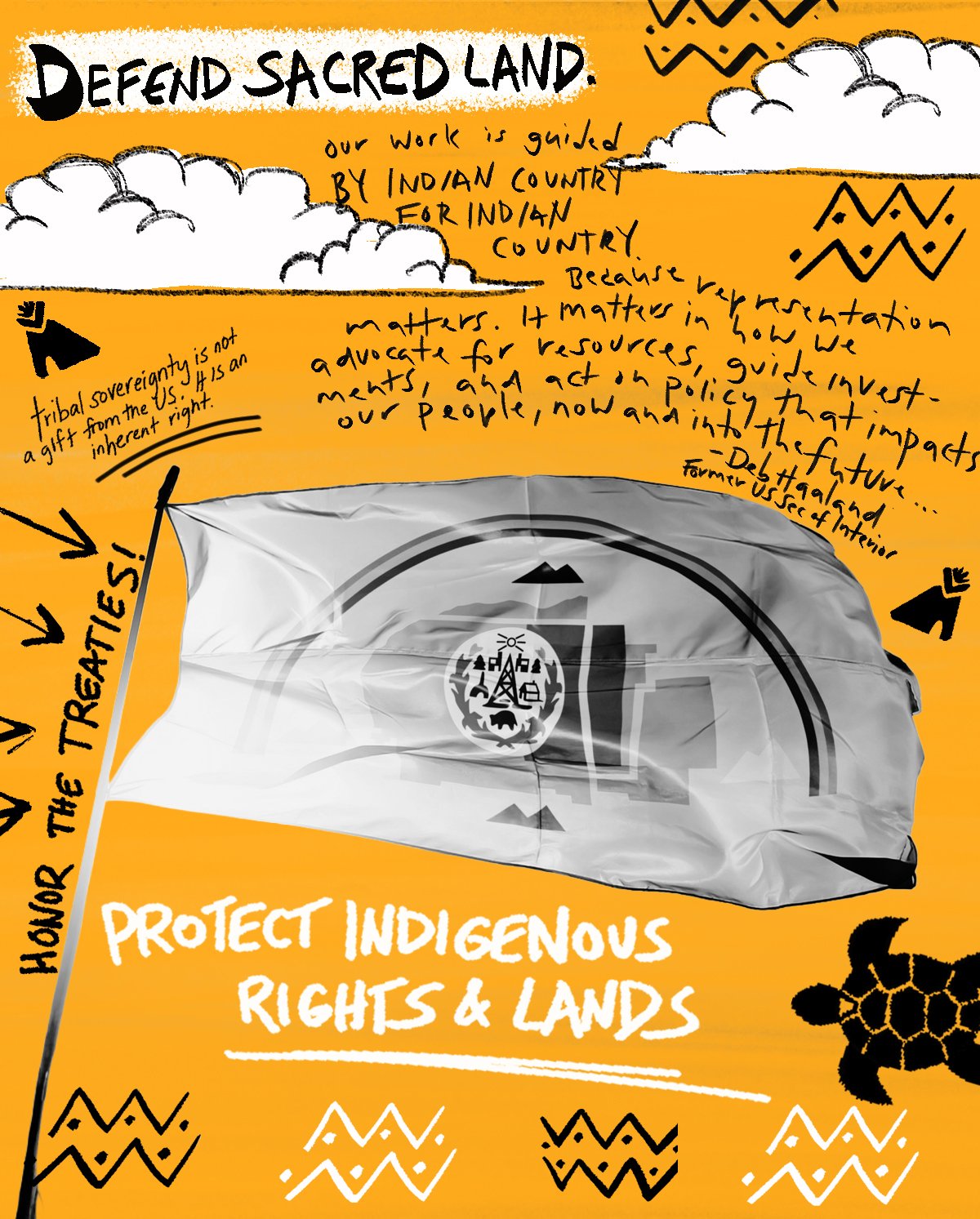
Explicitly:
Should the Constitution explicitly recognize Tribal Nations as sovereign governments?
Should treaties with Tribal Nations be legally binding and fully enforced, not treated as optional?
Should federal and state governments be required to secure Indigenous consent before approving pipelines, mining, dams, or similar projects?
How should sacred sites, burial grounds, languages, and cultural knowledge be constitutionally protected?
Should there be constitutional tools to restore land or share stewardship over federal lands with Tribal Nations?
What forms of participation or representation ensure Indigenous communities have meaningful, ongoing power?
Information for joining the deliberation: Coming Soon!
Background
Indigenous Nations existed long before the United States - with governments, law, and territory. The Constitution references Tribes, but never clearly recognizes their sovereignty and rarely enforces the treaties the U.S. signed with them. Instead, Congress and agencies largely control outcomes, often without Tribal consent.
That gap has had real consequences: land dispossession, broken treaties, destroyed sacred sites, and development projects imposed on Indigenous communities. While modern laws have provided some protections, they remain fragile, changeable, and unevenly enforced.
As the country reckons with historical injustice, climate crises, and rising demands for environmental stewardship, a basic question is resurfacing: Should the Constitution clearly recognize Tribal sovereignty, require the honoring of treaties, and ensure Indigenous consent - so the rights of the first peoples of this land are no longer dependent on shifting politics?